Frameworks: Progressions

This ought to be a series of posts around “frameworks” or such, but have no clue how long the energy will last for this. So let’s just take this one as it comes.
Over the course of working for and with many companies, the idea that people should want to stick around is something many folks find challenging and yet… normal. Those who have ownership of executing or managing the overall vision have a vested interest in sticking around. While those who are tasked with doing/implementing the work find their voices a bit less heard for strategic things until some reputational crest is met.
Many moons before Avancee, I explored this ladder in a series of talks shared across a few groups loosely called Beyond the Portfolio. The goal was to get some alignment along those who were evaluating skills for company recruitment, those who had teams evolving in skills/experience, and those folks on a path but not quite sure where they might end up. The series landed decent, but the framework which came from it was more valuable.
Many orgs have a single career progression track. Very simplified, it looks like:
Doer > Leader > Manager > Director > Executive
Reframed, that flow looks like
Task doer > Task shaper > Task Manager > Task Director > Tactic Director > Strategic Declaration
Such a single track leaves little room for those who might have little want/desire to manage, lead, craft, or even direct. There’s even the concept of the Peter principle which explains how folks who might have benefited from proficient in one of these stages, gets promoted into a higher one where they express incompetence as the effort, more than they would expertise.
My ninnovatio with and after Beyond the Portfolio was to recognize that many knowledge management paths actually had a branch. First a major branch which began to manifest in the “Leader” phase, and found voice at or right before the “Manager” phase. I called this “do you want to go into management, or become an expert in some particular aspect?” This meant mapping whole fields, assumed standards, and even disregarding conventions such as degrees and certifications. Wanted to see the routes without the weights…
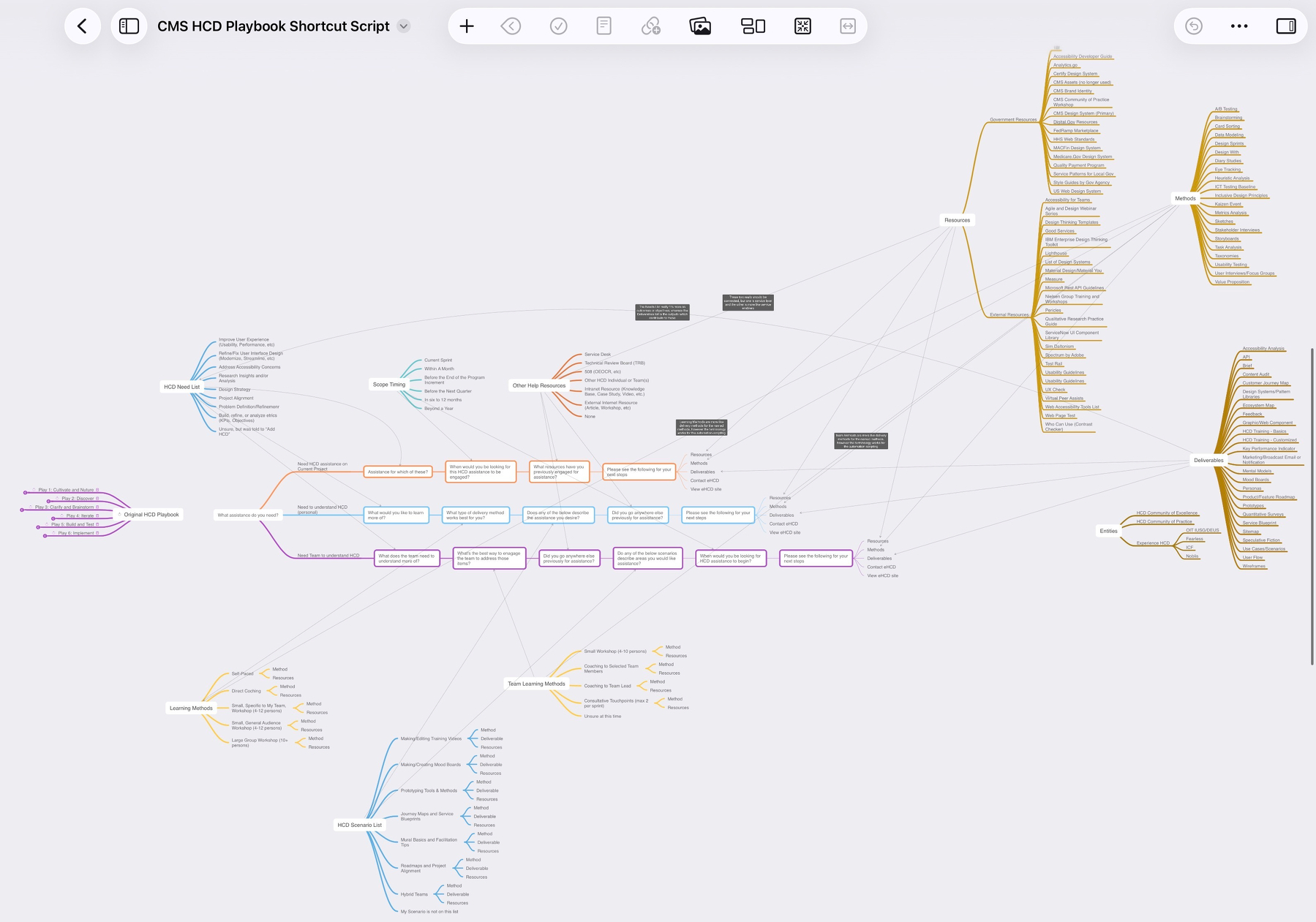
This became a reference guide called “Methods, Tools, Deliverables, and Resources.” A collection of methods and tools, mapped to their assumed deliverables by role and expectation, and further mapped to resources found from a diverse body of sources. That mapping (eh framework) was used to (a) craft a redesigned hiring-onboarding workflow, forward an Agile implementation’s staff maturity and execution pipeline, reframe the sales-proposal processes for a few consultant companies, and even anchor an executive strategic shift for a small business who evolved into a new market segment.
Independent contributors greatly win with this perspective also. They get off-ramps which allow them to adjust to market conditions and professional development at the speed of their curiosity - not the market. Adept directors and leadership can steer tactics ahead of risk and market disruption, while enhancing their “will to survive” professionally also.
That leaves you… do you have a framework like ”Methods-Tools-Deliverables-Resources” to anchor progressions? Do you need help crafting one? Get in touch and let’s move forward.
Update: Looks like we weren’t the only to have this topic on deck today. See @ben@werd.social’s post here.